What Type of ADU Is Right for You?
Versatile Accessory Dwelling Units (ADUs) provide endless ways to modify your property. Each type offers a customizable solution for your life — whether you’d like to accommodate having family members live with you, want to make additional income from renting, or plan to create the home gym or office space of your dreams. Get inspired and discover which design best suits your needs with guidance from Valley Home Builders.
Different Types of ADUs
Each secondary living space offers the opportunity for a unique build. Factors that might inform your selection include intended purposes, sizing, shape, price and location. To get started with deciding how you want to modify your property, it is helpful to learn which of these common types of ADUs best serves your space:
- Conversion: This ADU converts an existing area in your home, like a garage, basement, attic or spare bedroom, into a guest space or rentable unit.
- Attached: This build adds additional living space to your main structure with walls adjoining your home. These popular accessory dwelling units are ideal when you want to maximize your lot coverage and create an in-law or rental unit that shares utilities directly.
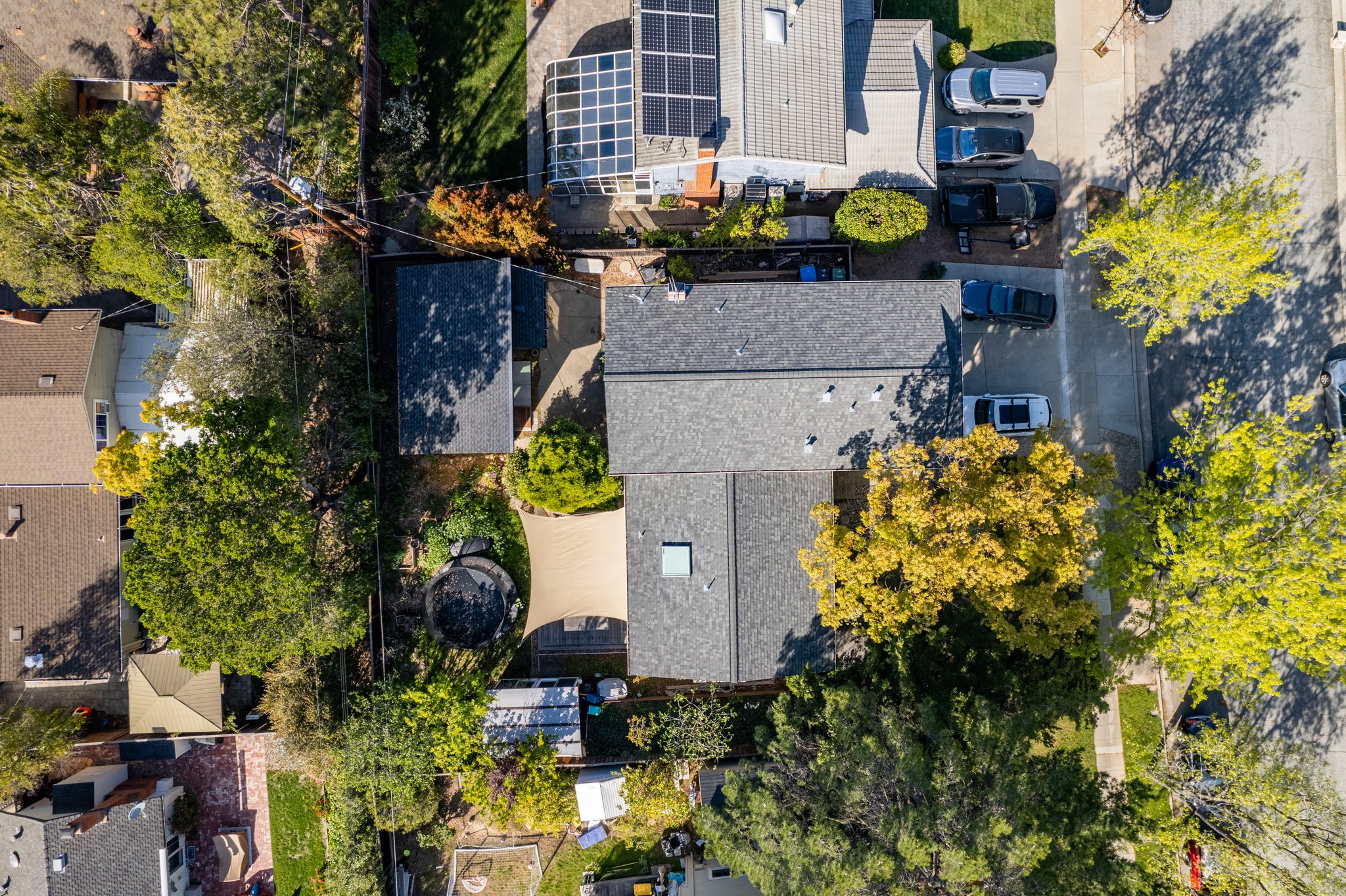
- Detached: This design layout is a separate unit for creating more independence or privacy from those living in the main house. This type of unit often takes shape as a guest house or cottage in a backyard.
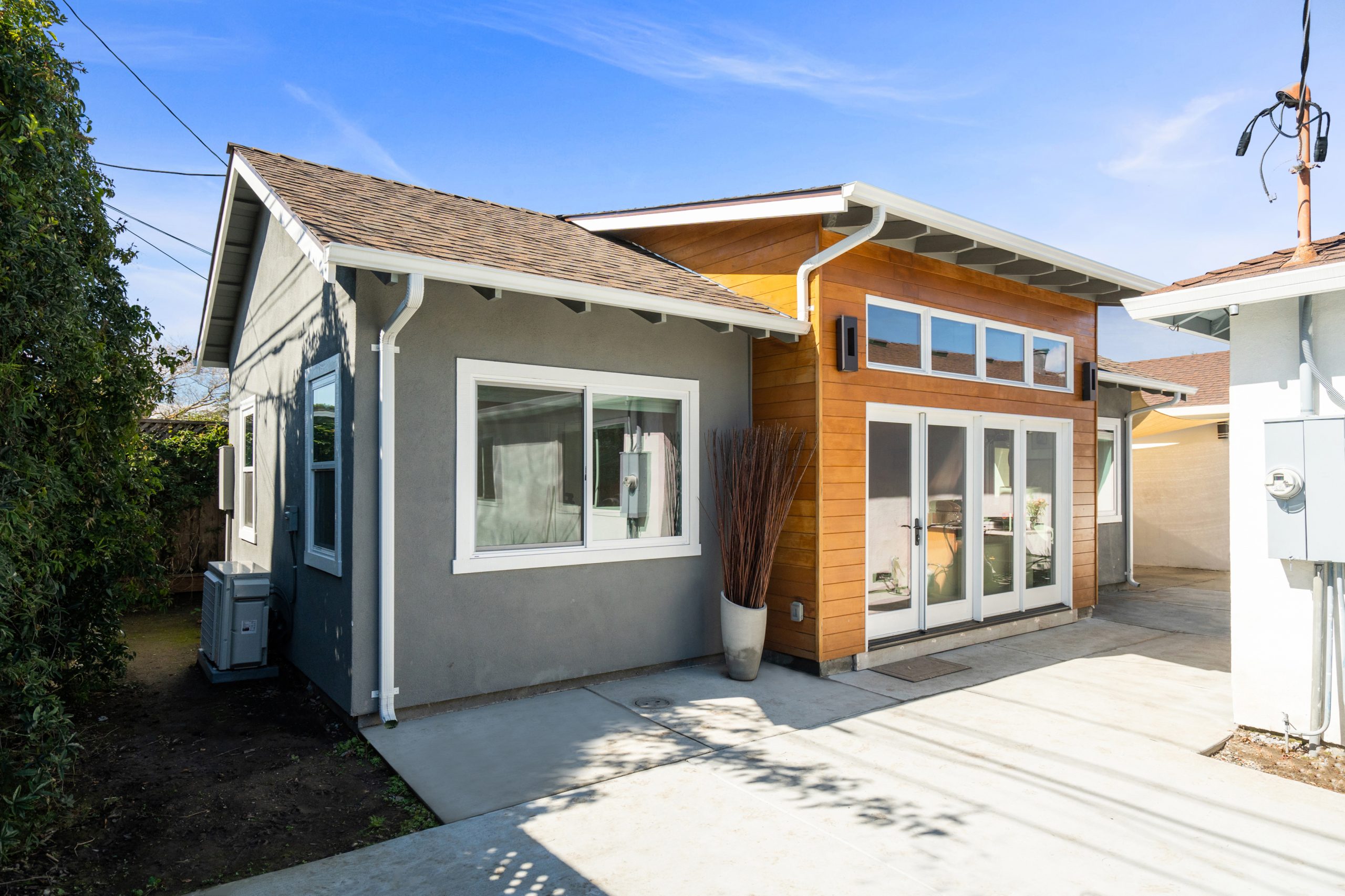
The 3 Most Popular Types of ADUs
In addition to providing you with more living space, an ADU offers a way to increase your property value. Learning more about the specific types of ADUs helps you identify how you can benefit the most from your build. Some of the most favorable designs include:
1. Attached ADU
An attached ADU can involve converting a preexisting space in your home or creating an addition to it. Each design contains a separate entryway from the main living unit and fire-rated separations in the adjoining walls. This favorable option supports many types of use, such as comfortable housing for guests and family members, a workspace, a gym or a studio.
2. Garage ADU
A living space on top of a garage or a garage conversion is another fairly common type of ADU. You could turn the garage into a mini-apartment, home office or mini-dwelling environment. Many homeowners create a separate entrance inside or outside the garage to offer privacy from the main house.
3. Backyard Cottage
With the look of a house on a smaller scale, a detached dwelling on your property provides a high degree of independence and has its own water, sewer, electrical and other components. Some areas require you to match the exterior aesthetic of the main home for a cohesive look throughout the neighborhood.
FAQs
What are the main types of ADUs, and which type is right for my property?
There are three main types of ADUs: Conversion ADUs (which convert existing spaces like garages, basements, or attics into guest or rental units), Attached ADUs (which add living space to your main structure with adjoining walls and shared utilities), and Detached ADUs (separate units like guest houses or backyard cottages that offer more independence). The right type depends on your intended use, property layout, budget and zoning. During a free consultation, our team can evaluate your property and recommend which type best suits your needs.
What's the difference between an attached ADU and a detached ADU?
An attached ADU is built as an addition to your main home with adjoining walls and often shares utilities like water, sewer and electrical systems. It includes a separate entryway and fire-rated wall separations for privacy. A detached ADU is a completely separate structure, like a backyard cottage, with its own independent water, sewer, electrical and other components. Attached ADUs maximize lot coverage and are ideal for in-law quarters or rental units, while detached ADUs offer more independence and privacy but require more space and separate utility connections.
Can I convert my garage into an ADU, and how much does it typically cost?
Yes, garage conversions are one of the most popular and cost-effective types of ADUs. You can turn your garage into a mini-apartment, home office, or mini-dwelling environment. Because the foundation, walls, roof and basic infrastructure already exist, garage conversions are often more affordable than building from scratch. You can create a separate entrance inside or outside the garage for privacy from the main house. The exact cost depends on your desired finishes and features, which we can discuss during your consultation.
What is a backyard cottage ADU, and what makes it different?
A backyard cottage is a detached ADU that looks like a smaller version of a house. It sits separately on your property and has its own independent utilities (water, sewer, electrical). This type offers a high degree of privacy and independence for the occupant, whether it’s a family member, guest or renter. In some areas, you may need to match the exterior aesthetic of your main home for a cohesive neighborhood appearance. Backyard cottages work well when you have the space and want maximum separation from your main residence.
What zoning rules and regulations should I know about before choosing an ADU type?
Zoning rules and regulations vary by location and can affect which type of ADU you can build. Some areas have restrictions on attached versus detached units, utility connections, exterior design, or lot coverage. Valley Home Builders has served the Bay Area since 2005 and understands local zoning requirements for different cities and neighborhoods. We’ll research the specific regulations for your property and guide you toward the ADU type that complies with local rules while meeting your needs and budget.
Start Designing Your Dream ADU
Building your dream ADU starts first and foremost with your inspiration. After deciding how you plan to use the space, you will need to research factors like cost, zoning rules and regulations. The experts at Valley Home Builders are here to guide you throughout the process and help every step of the way.
Call 408-248-8000 or connect with us online for a free consultation.


View Our Different Platforms: